Wednesday, October 15, 2025

Tuesday, October 14, 2025
American Electoral College
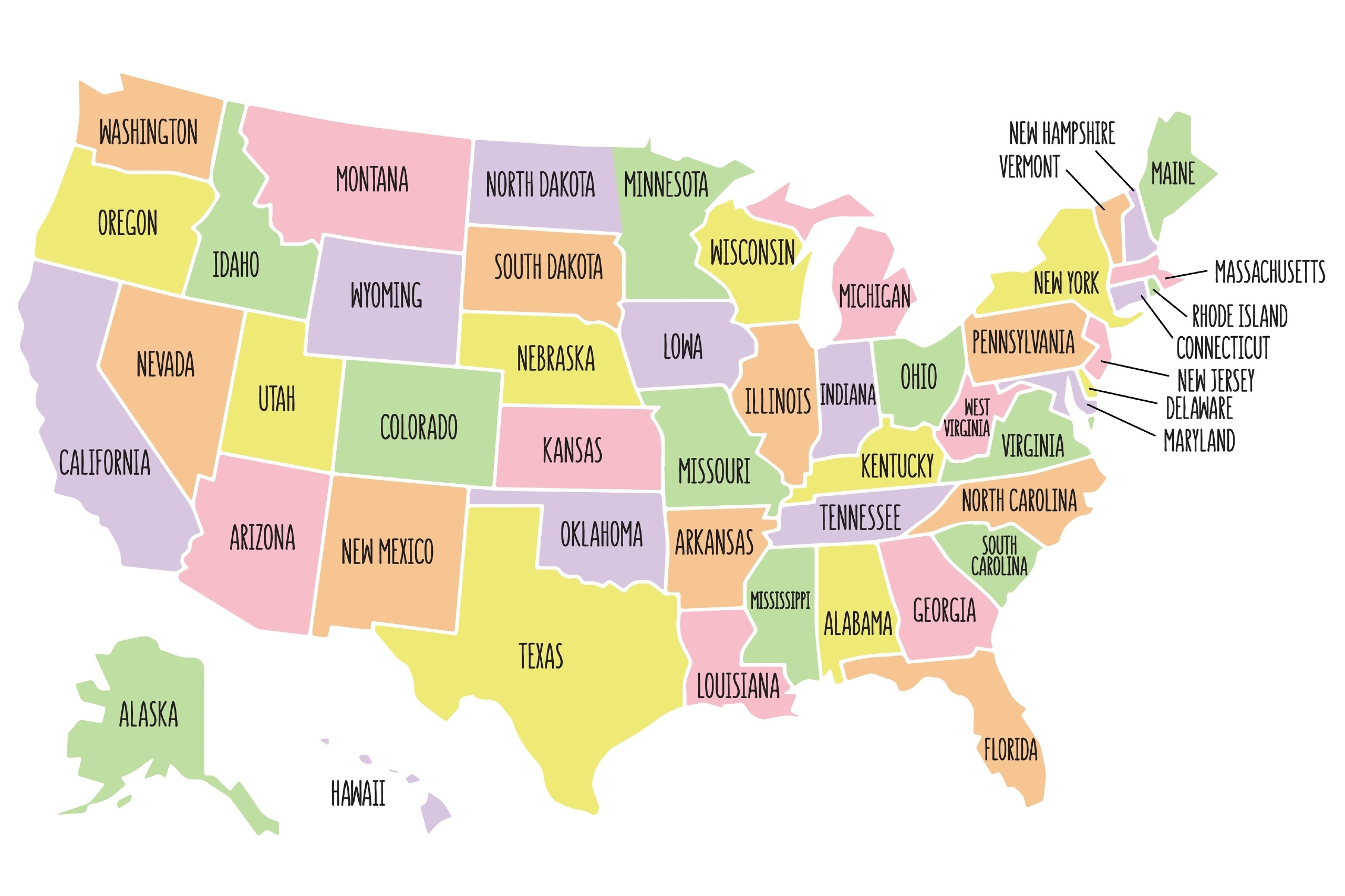
How can an individual win presidential election in USA without winning popular vote. Explain with example.
An individual can win a U.S. presidential election without winning the national popular vote due to the Electoral College system.
The Role of the Electoral College
The U.S. President is not elected by a direct national popular vote but by the Electoral College.
Electors per State: Each state is allocated a number of electors equal to its total number of Representatives in the House plus its two Senators.
2 This system gives smaller population states a slightly disproportionate voice compared to their population size.3 The total number of electors nationwide is 538, and a candidate needs an absolute majority of 270 electoral votes to win the presidency.4 Winner-Take-All System: In 48 out of 50 states (and Washington, D.C.), the candidate who wins the most popular votes in that state receives all of that state's electoral votes.
5 This is known as the "winner-take-all" system (Maine and Nebraska are the exceptions, using a proportional system based on congressional districts).6 Strategic Concentration of Votes: A candidate can win the presidency by securing narrow
popular vote victories in a sufficient number of states to reach the 270 electoral vote threshold, even if their opponent wins much larger majorities in a smaller number of highly populated states. This results in the winning candidate having a higher total in the Electoral College but a lower total in the national popular vote.
Example: The 2016 Presidential Election
The 2016 election is a clear example of this outcome:
| Candidate | National Popular Vote | Electoral Votes | Outcome |
| Donald Trump (Republican) | 304 | Won the Presidency | |
| Hillary Clinton (Democrat) | 227 | Lost the Presidency | |
| Popular Vote Difference | Clinton led by | N/A | N/A |
How it happened: Hillary Clinton won the overall national popular vote by a significant margin.
7 However, Donald Trump won the state-level popular vote in enough key swing states (such as Pennsylvania, Michigan, and Wisconsin) to secure the majority of those states' electoral votes under the winner-take-all system. The relatively small popular vote margins in those states were enough to award him all of their electoral votes, pushing his total Electoral College count to 304, well over the 270 needed to win, despite losing the nationwide vote count.
This phenomenon has occurred five times in U.S. history: 1824, 1876, 1888, 2000, and 2016.
Subscribe to:
Comments (Atom)