Tuesday, October 14, 2025

American Electoral College


How can an individual win presidential election in USA without winning popular vote. Explain with example.


An individual can win a U.S. presidential election without winning the national popular vote due to the Electoral College system.

The Role of the Electoral College

The U.S. President is not elected by a direct national popular vote but by the Electoral College.1 Here's how it allows for a popular vote loser to win the presidency:

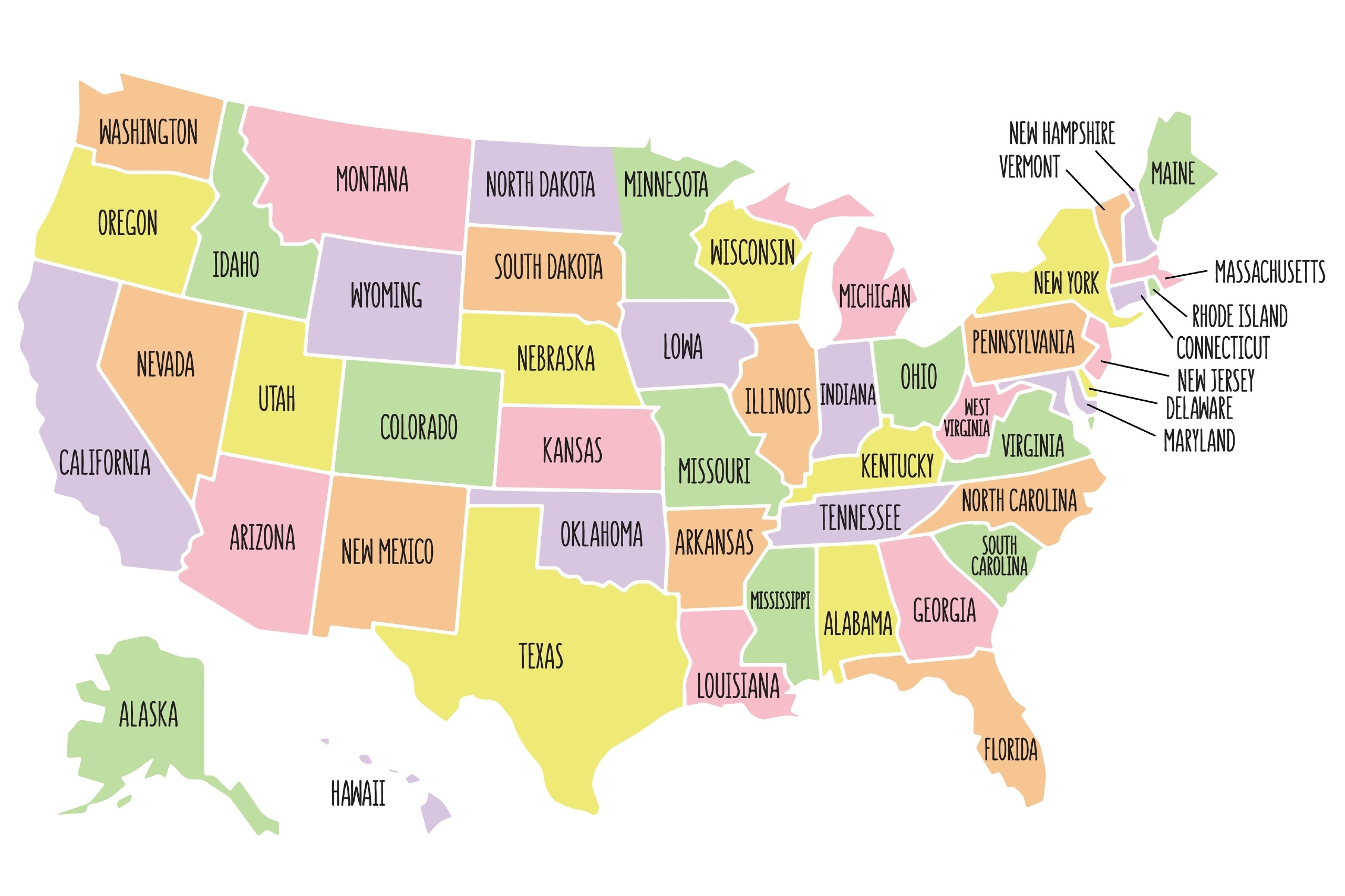
  1. Electors per State: Each state is allocated a number of electors equal to its total number of Representatives in the House plus its two Senators.2 This system gives smaller population states a slightly disproportionate voice compared to their population size.3 The total number of electors nationwide is 538, and a candidate needs an absolute majority of 270 electoral votes to win the presidency.4

  2. Winner-Take-All System: In 48 out of 50 states (and Washington, D.C.), the candidate who wins the most popular votes in that state receives all of that state's electoral votes.5 This is known as the "winner-take-all" system (Maine and Nebraska are the exceptions, using a proportional system based on congressional districts).6

  3. Strategic Concentration of Votes: A candidate can win the presidency by securing narrow popular vote victories in a sufficient number of states to reach the 270 electoral vote threshold, even if their opponent wins much larger majorities in a smaller number of highly populated states. This results in the winning candidate having a higher total in the Electoral College but a lower total in the national popular vote.


Example: The 2016 Presidential Election

The 2016 election is a clear example of this outcome:

CandidateNational Popular VoteElectoral VotesOutcome
Donald Trump (Republican) 62.98 million304Won the Presidency
Hillary Clinton (Democrat) 65.85 million227Lost the Presidency
Popular Vote DifferenceClinton led by million votesN/AN/A
  • How it happened: Hillary Clinton won the overall national popular vote by a significant margin.7 However, Donald Trump won the state-level popular vote in enough key swing states (such as Pennsylvania, Michigan, and Wisconsin) to secure the majority of those states' electoral votes under the winner-take-all system. The relatively small popular vote margins in those states were enough to award him all of their electoral votes, pushing his total Electoral College count to 304, well over the 270 needed to win, despite losing the nationwide vote count.

This phenomenon has occurred five times in U.S. history: 1824, 1876, 1888, 2000, and 2016.8


Monday, October 13, 2025

How does Marxian view of state differ from that of John Locke

 Marx's view of the state differs fundamentally from John Locke's, diverging on the origin, purpose, nature, and fate of political power. Locke sees the state as a neutral arbiter created by consent to protect natural rights, while Marx views it as an instrument of class oppression designed to maintain the power of the ruling class Marx view of state Instrument of class domination: The state is a tool of the dominant economic class (the bourgeoisie in capitalism) to protect its property and privileges and to suppress the working class (the proletariat).

Not a neutral entity: The state is not a neutral body that serves all citizens equally; rather, its structure and functions are determined by the underlying economic system and class relations. Origin in class society: The state did not always exist. It arose when society became divided into classes with conflicting economic interests, which required a formal apparatus to manage and control the oppressed classes. Maintenance of social order: The state's role is to maintain social order and stability in a way that preserves the existing economic hierarchy and prevents the working class from challenging the ruling class's power. And Johan Locke state of viewNatural rights: Individuals are born with inherent, inalienable rights to life, liberty, and property that predate any government. Natural law: This is a universal law that all individuals can access through reason and that dictates that no one should harm another in their life, health, liberty, or possessions. Freedom and equality: People are free and equal in the state of nature, with no one being naturally subordinate to another. Absence of government: There is no common, established authority to act as a judge or enforce the law of nature, so each individual is their own judge and has the right to punish violations of the law.

******

John Locke sees the state as a neutral entity that protects the rights and properties of individuals in a social contract setup. He emphasizes individual rights, like life, liberty, and property, and thinks the state's main job is to safeguard these. Marx, on the other hand, views the state as an instrument of class rule. According to Marx, the state serves the interests of the ruling class (like the bourgeoisie in a capitalist setup) to maintain their power over the working class (proletariat). Marx thinks the state isn't neutral but rather a tool for class domination. He predicts that in a communist society, with the abolition of classes, the state would eventually "wither away" as there's no need for it to enforce class rule.

Social Issues